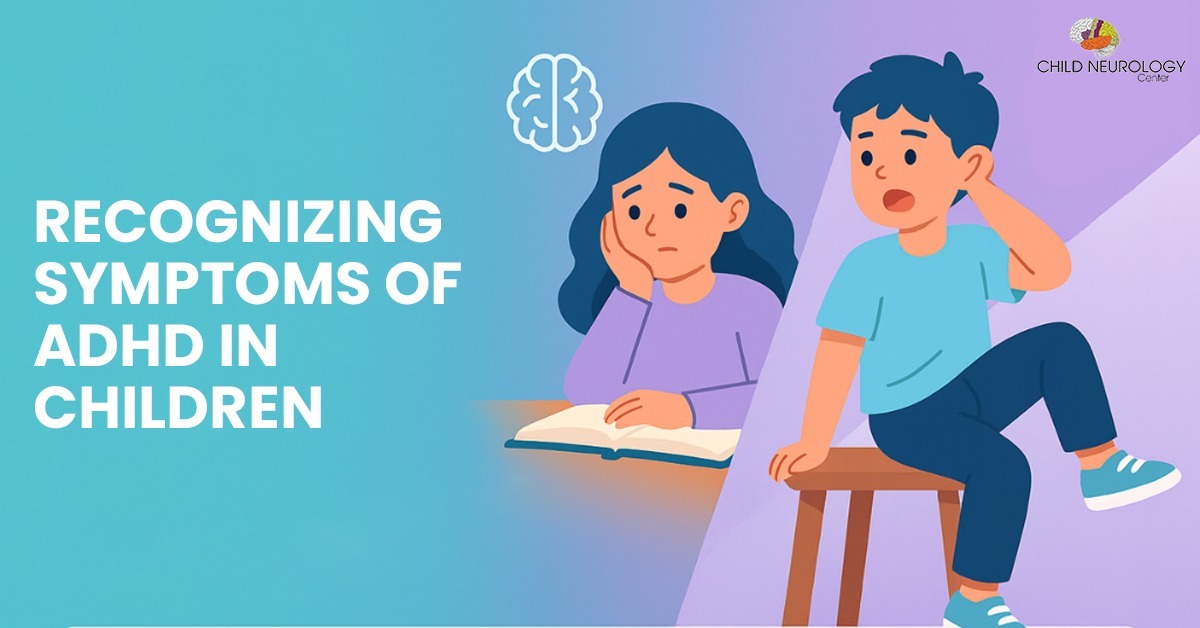
| Attention-Deficit/Hyperactivity Disorders (ADHD) is one of the commonest neuro-developmental disorders that gets diagnosed in children. Children in the age group affected by ADHD can show occasional signs of hyperactivity or inattention. However, ADHD is characterized by more severe and chronic symptoms that affect the child’s daily life, school performance, and behavioral functioning. In this context, early recognition is important in order to assist the children in receiving the necessary support on time in order to improve their learning and emotional health. What is ADHD in Children? ADHD is a chronic health problem that has the symptoms of being unable to focus as well as being unable to control the impulsivity or the levels of regulated activities that the child is supposed to maintain. ADHD symptoms can be difficult to manage especially when children reach school age and have to adjust to the outfitted schedules and concentrate on routines with focus. ADHD can show up in three patterns. 1. Inattentive Type 2. Hyperactive-Impulsive Type 3. Combined Type A proper diagnosis should be made by a trained pediatric neurologist or best child neurologist in india. Signs Parents Must Look For Struggling to Focus for children with ADHD: ● have a short attention span ● easily get distracted ● struggle to finish homework Having different behavioral patterns in environments such as home, school, and outside, is a possible sign of ADHD. Constantly active to an extreme degree, move well beyond the ordinary. Extreme hyperactivity can include endless amounts of different behaviors. Behaviors that can be seen as hyperactivity include: – Fidgeting constantly and the need to avoid staying seated – Running or climbing frequently – Talking continuously – No interest in activities that require quiet and stillness When hyperactivity is more pronounced than one is used to from their peers, that is an indicator of hyperactivity. Impulsivity is another common trait of ADHD. Impulsivity can show itself when children: – Interrupt or talk over others – Do things without any forethought – Come in line without waiting for their turn – Have angry or frustrated outbursts Impulsive behaviors can have negative impacts on their relationships with other students in the classroom as well as other adults that are present. ADHD can also result in: – Lack of consistent completion of homework and other school assignments – Having all-around uneven school performance – Difficulty when it comes to structuring and coordinating their thoughts – Having their teacher describe their performance as that they are intelligent, but have inconsistent performances, is an indicator of ADHD as well. ADHD can also present with behaviors that show an emotional sensitivity. Some behaviors are: – Experiencing difficulty related to frustration – Frequent changes in the child’s mood – Easily being overwhelmed – Difficulty with self-regulating behavior. This problem with controlling their emotions is something with an ADHD diagnosis that is very common. However, with early recognition and intervention, most of these issues can be improved. Completing schoolwork might be made extra challenging with Masked ADHD traits. This is why early identification is critical. With every passing day, every passing year in school, more and more educational milestones might be missed with this condition. The sooner Masked ADHD is recognized, the more educational improvement is likely. – Setbacks for the child can be prevented – Behavioral problems can be reduced – Self-esteem can be improved – Guidance for daily routines can be offered to parents – Support and therapy can be given to children sooner When a proper treatment plan is put in place, children with ADHD can adjust to be successful in school and with their social life. The Role of a Specialist When parents see a child with certain concerning symptoms that don’t seem to go away, they may need to contact a specialist. A child has to go through a pediatric neurologist so that they can do: – Developmental assessments. – Behavioral evaluations. – Learning and cognitive assessments. – Looking through their detailed medical history. To have a child evaluated by abest child neurologist in india will ensure that the child gets their diagnosis straight, has a treatment plan made for them, and has their needs met with support for the long run. Options for Treatment The treatment that gets offered in these situations entails a combination of: – Behavioral therapy. – Parent training programs/classes. – Treatment programs through the school. – Medication, if it is necessary, with supervision from a specialist. – Changes in lifestyle in areas of sleep, diet, and physical exercise. Using all these suggested treatments together will achieve the child the most positive outcomes. Conclusion ADHD is not a lack of intelligence or ability—it is a problem that needs problem solving and support. The best child neurologists in India can provide the support needed to ensure that children are able to manage their symptoms and go on to live their lives confidently and successfully. If your child is showing signs of ADHD, getting the assessments done as soon as you can may result in some life changing differences. |