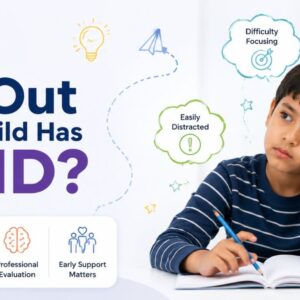
Attention Deficit Hyperactivity Disorder (ADHD) is one of the most common neurodevelopmental disorders in children. While all children can be energetic, inattentive, or impulsive at times, ADHD symptoms are more persistent and can affect a child’s academic performance, behavior, and social interactions. Common Signs of ADHDParents should watch for symptoms such as: Difficulty paying attention...
Author: child-neurology
Sensory Issues in Children with Autism
Autism Spectrum Disorder (ASD) affects how children communicate, interact, and respond to their environment. One of the most common challenges faced by children with autism is sensory processing difficulties. Understanding these sensory issues can help parents provide better support and improve their child’s daily experiences. What Are Sensory Issues?Children with autism may be either overly...
Seizures in Children: Warning Signs Parents Should Not Ignore
Seizures in children can be alarming for parents, especially when symptoms appear unexpectedly. A seizure occurs due to sudden abnormal electrical activity in the brain and may affect movement, awareness, behavior, or consciousness. While some seizures are brief and harmless, others may indicate an underlying neurological condition that requires medical attention. Many parents believe seizures...
Early Signs of Autism Parents Should Know
Autism Spectrum Disorder (ASD) is a neurodevelopmental condition that affects communication, behavior, social interaction, and learning abilities in children. The symptoms and severity may vary from child to child, which is why autism is called a “spectrum” disorder. Early identification and intervention can greatly improve developmental outcomes and help children build important life skills. Parents...
Understanding Epilepsy & Autism in Children: Early Signs That Matter
Children grow and develop at their own pace, but certain signs should never be overlooked. Conditions like epilepsy and autism are increasingly recognized in children, and early identification plays a critical role in improving long-term outcomes. Awareness among parents is the first step toward timely care. Epilepsy in ChildrenEpilepsy is a neurological condition characterized by...
When to Consult a Pediatric Neurologist for Seizures
Seizures in children can be alarming, especially for first-time parents. While some seizures may be brief and harmless, others may indicate an underlying neurological condition that requires expert evaluation. Knowing when to consult a specialist is crucial for timely diagnosis and treatment. Signs You Should Not IgnoreParents should seek medical advice if a child experiences:...
Understanding Autism Spectrum Disorder in Children
Autism Spectrum Disorder (ASD) is a neurodevelopmental condition that affects how a child communicates, interacts socially, and processes the world around them. Autism is called a “spectrum” because symptoms and abilities vary widely from one child to another. Some children may need minimal support, while others may require structured therapies for daily functioning. Autism often...
ADHD or Just High Energy? Understanding the Difference
Children are naturally energetic, curious, and active. Running around, talking frequently, and showing excitement are normal parts of childhood. However, when a child consistently struggles with attention, impulse control, or hyperactivity to the point that it affects school, relationships, and daily routines, parents may wonder whether it is simply high energy or Attention Deficit Hyperactivity...
Signs of Seizures in Children: A Roadmap for Caregivers
1. Understanding Seizures Unusual electrical activity in the brain can cause a seizure. In children, the waves of seizure activity might present as small and/or unrecognizable behavioral changes, not the classic big body jolts. 2. Possible Warning Signs Jerky or rhythmic movements Unexplained blanks and/or stares Sudden unresponsive episodes Unexplained fainting or falls Repeated movements...
Signs of Potential Attention Deficit Hyperactivity Disorder in Kids: A Parents’ Guide
With the increasing levels of inattention, impulse buying, and hyperactivity, there is increased concern among the parents about Attention Deficit Hyperactivity Disorder (ADHD) in their kids. Such challenges can occur in the context of daily life.The sooner parents reach out, the better, as this can greatly enhance the child’s functioning and help them grow to...